Why Audience Research Matters in Content Marketing
Strategy
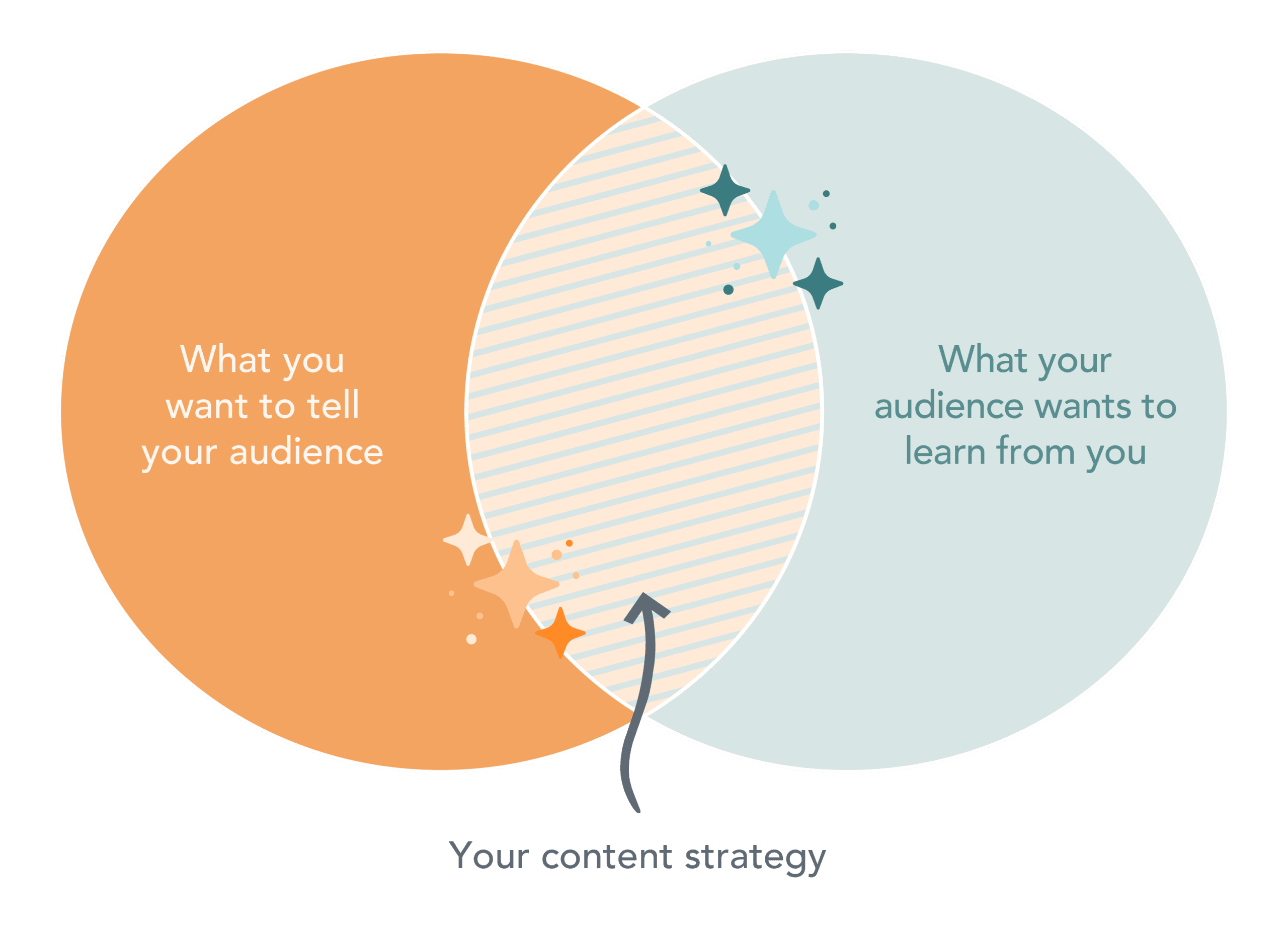
When you’re working on a new campaign, project or channel, it’s all too easy to charge ahead without taking the time to ask crucial questions like: What goal will this content serve? Which channels are best to reach our audience — and what information is most interesting to them?
At Message Lab Media, we’ve learned that the most effective content marketing lies at the intersection of what your organization wants to say and what your audience wants to hear. We also know that creating content fast is a priority, and it’s often difficult to make time for strategic planning when you have a campaign or project with an impending deadline.
That’s why we’ve built a quick and straightforward approach to audience research. Our goal is to better understand what your audience is most interested in and get the concrete data needed to build an effective content marketing strategy – in a way that won’t break the bank or take months to complete.
What is audience research?
Audience research is the process of collecting and analyzing data about a specific group (your audience) to better understand their interests and how they use media. It aims to uncover:
Demographics, like location, age and gender.
Preferences, such as whether they enjoy podcasts or would prefer an email newsletter.
Motivations, including what drew them to an organization and what would inspire them to be more engaged with that organization.
Interests, such as whether they find a certain area of work or project within your organization particularly interesting or meaningful.
Is audience research really necessary?
Audience research is informative, even if you’ve been working with an organization for a long time and have a good sense of your audience. It can help your team:
Gather concrete data about your audiences’ interests and preferences, rather than rely on intuition or an educated guess. Clients often tell us that while some information gathered during audience research is unsurprising, they also gleaned answers and insights they didn’t expect.
Avoid baking your own preferences into strategic planning. It’s easy to assume that what’s interesting to you or your team is interesting to everyone. But what matters most are the interests or preferences of the people you’re trying to reach. If you reach out to them about things they’re most interested in, on channels they’re most likely to use, they’ll be much more likely to engage as a customer, patient or donor.
Build a strategy tailored to your audience rather than following general trends. For example, podcasts and TikTok videos may be trending. But research may reveal that your donor base loves a print magazine, and doesn’t use TikTok.
When to use audience research
When starting a new campaign, project or initiative
It’s tempting to start a campaign by jumping straight to solutions. For example: We want to educate young people about autoimmune diseases using infographics on Instagram. Or: Let’s start a podcast to teach more people about our research and get more donations.
However, we recommend doing audience research before choosing a medium, format and topics to make sure that medium is right to reach your desired audience. You might ask questions like:
What’s your desired medium, i.e. audio, video, blog or something else?
What length of content is most meaningful? Are you interested in quick snippets of information or a deeper dive?
How often would you be interested in hearing from us?
When updating or revamping an ongoing channel, project or campaign
If you’ve been using the same newsletter format or social media plan for a while, audience research can help evaluate where those channels meet the mark and opportunities for improvement. You might ask:
What content or stories resonate with you most?
What topics might you like to learn more about?
What content or stories missed the mark or didn’t resonate?
What are your preferences around frequency, length and channels?
A fast and easy process for audience research
Our two-step process aims to capture both breadth and depth of information using a combination of surveys and interviews.
Survey for breadth
We start our process with a brief (10-15 question) survey that digs into questions that we want to ask as many audience members as possible. These are typically questions about:
Length of content
Preferred channel/medium
Frequency of communication
Topics of interest
Messages that resonate
This helps identify patterns around these topics and plan our content to meet the preferences of the majority of our audience.
Interviews for depth
Next, we interview 5-7 people who fall into an organization’s target audience.
Why 5-7 interviews? We’ve found that unless an organization has many target audiences, 5-7 interviews is typically the right balance between hearing from enough people and spending lots of time on many interviews where people have very similar insights and responses. If you are a small organization with a focused audience, 3-5 interviews is likely enough.
Who exactly are we interviewing? People who fall into the demographics you are hoping to reach. This could be current donors, research participants, people who are actively engaged with your social media channels or others.
These conversations don’t need to be long (we typically aim for 30 minutes or less). We zero in on just a handful of questions we’ve identified as the most important. These are the questions that warrant a longer conversation, and may be too nuanced or tricky to include on a survey. These might be questions like:
How they found your channel or organization and what inspired them to stay engaged.
What messages or stories resonate most.
What inspired them to donate to your organization.
Learn more
At Message Lab Media, we work with health and science organizations to build content marketing strategies through defining what their organization wants to say and understanding what their audience wants to hear – and create content at the intersection of both. Contact us to learn more.
Stay informed with the latest guides and news.


